Book your 2026 & 2027 adventures Risk free.
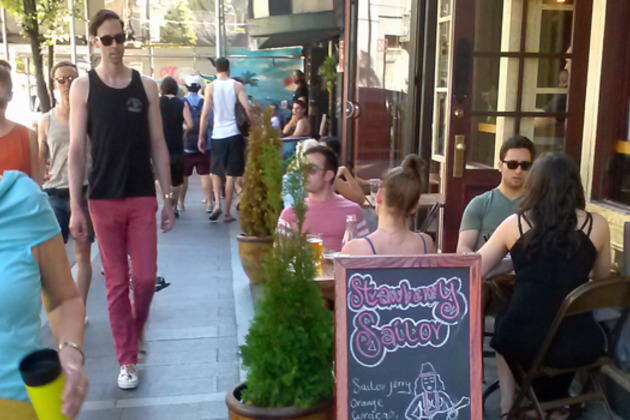
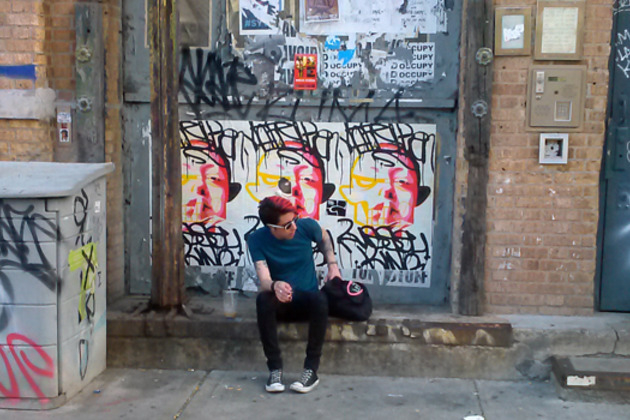
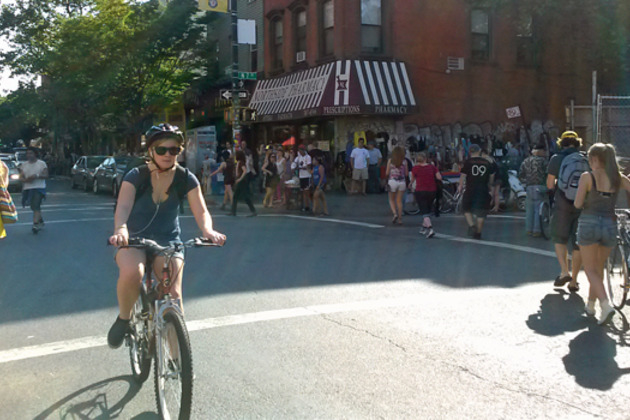
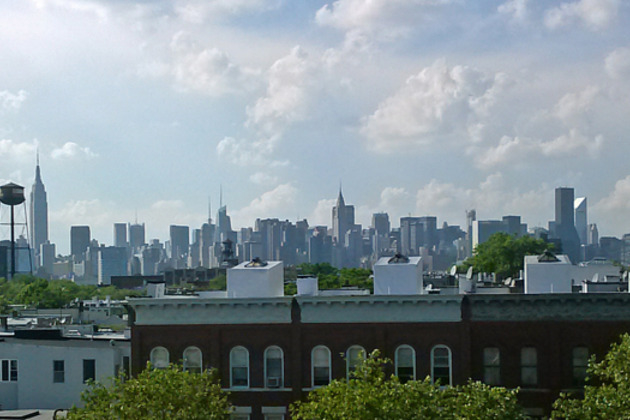


Williamsburg, Brooklyn is the epicenter of an urban renewal movement that has swept New York City in recent years. A landscape once vacant and desolate has been resurrected into a hub of cutting-edge creativity. The area's streets are filled with young, hip members of a new urban generation. These folks have migrated from all over the globe to participate in this emerging community.
On a Williamsburg Adventure tour we travel to this center of innovation to immerse ourselves in its world of craft and culture. We visit shops that offer locally made products, specialty goods and vintage fashion. We meet folks immersed in thriving artistic and craft scenes. We also see and learn about underground Brooklyn street art.
This is a public tour given every day at 3:30pm. The tour meets in Manhattan's Union Square and is led by tour guide into Brooklyn via NYC transit. Subway fare is included with the price of each ticket. The tour lasts 3.5 hours and is led back to Manhattan afterwards. An option popular with many guests is to stay afterwards and relax at one of the area's hip cafes or bars.
Lifestyle
Shopping
Williamsburg is chock full of shops run by entrepreneurs, artisans and craft experts. Many of them provide a unique twist to the traditional products, food and clothing of the mainstream. These shopkeepers are often trailblazers of emerging trends, who balance popularity with a commitment to new-age social ideals and values.
Local Sustainability
One such value present in Williamsburg is local sustainability. This means utilizing services and products produced within the nearby community in every manner possible. It means creating an ecosystem of supply-and-demand where products, ingredients and components are prepared or manufactured locally, reducing to a bare minimum the need to import these things from elsewhere.
Vintage
Much of Williamsburg's fashion is inspired by styles of past American eras, particulary the Greatest (1900-26), Silent (1926-46) and Baby-Boom (1946-64) generations. It is a fresh perspective on the lifestyle portrayed in popular culture of those times. Williamsburg's shops carry vintage clothing, pop culture items and electronics from those eras.
Street art
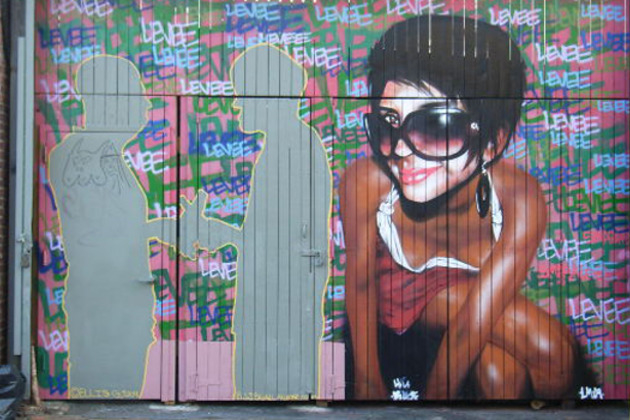
Williamsburg and neighboring areas is the center of a bustling street art scene. The combination of its creative population and post-industrial landscape form a catalyst that breeds revolutionary artistic expression. Williamsburg's walls, storefronts, billboards, poles and sidewalks host art of all types, produced by artists both local and international.
Here are some types of street art found around Williamsburg:
Tags — Also known as «throw-ups» or «pieces,» tags are words written in spray paint on a surface of any sort, including walls, storefronts, signs or doors. The words are often the name of the artist or crew, and can vary from one color a few inches in length to multiple colors spanning dozens of yards. The traditional motivation of a tag is to mark territory or broadcast one's audacity at taking the risk to spray paint in a dangerous, inaccessible or openly public place.
Murals — Murals are generally more comprehensive and portray an image or scene. They often tell a story or express feelings of the artist. They tend to carry a social or political critique, satire or message. Murals come in all sizes but are commonly larger than tags.
Posters — Rather than being created in public, poster art is usually drawn, painted or sprayed in private. The poster is brought to a public place and affixed to a surface using an adhesive called wheat paste. Because the artist has more time and less pressure, poster art is often more detailed than tags or murals. The down side is that a poster is easier to remove and more succeptable to weather conditions than paint.
Background
Urban neglect
Williamsburg of today is a vastly different place than it was prior to the 1990's. A stroll through the area presently will reveal a vibrant community with shops and residential developments. However in the past what would have been seen was a desolate area of warehouses, factories and vacant buildings riddled with graffiti. It was a reflection of the economically depressed conditions present in urban areas around the United States. America's cities suffered from extreme neglect, crime and lack of public investment.
Gentrification
In the 1990's New York City's artistic scene was growing. More and more artists and musicians were moving to the city. As a result, prices in Manhattan rose to the point where newcomers began seeking new, more affordable areas to settle. Williamsburg's close proximity to Manhattan and abundance of available housing made it an ideal place to live. As more folks moved in, the area started becoming cleaner and safer. Shops, bars and restaurants opened to accomodate the burgeoning community. Before long, Williamsburg transformed from a cheap residential alternative to a popular destination of its own.


