Book your 2026 & 2027 adventures Risk free.
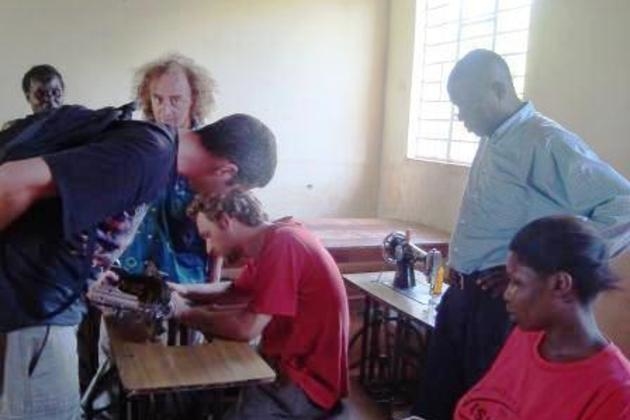
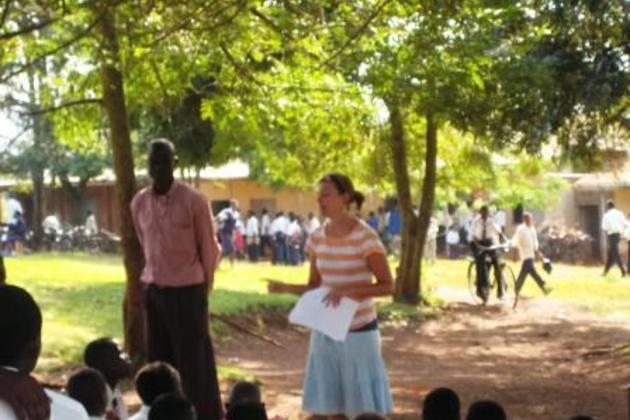
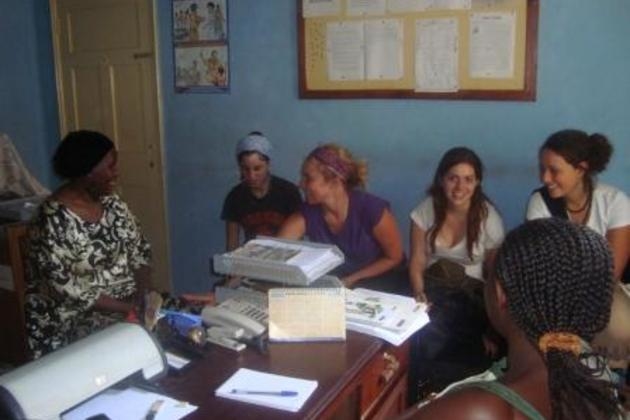


Volunteers who wish to carry out their placement in both primary and secondary schools should consider the following aspects as important: they should be able to speak English fluently and have good interpersonal relationship.
MICATZ introduces volunteers to the school and attaches the intern to a school in wish he/she is able to accomplish his internship. Teaching in Uganda is conducted on a termly basis (three months). The schools programme for the year has three terms and they usually run as follows: February to April, June to August and October to December respectively.
With the help of the available teachers and supervisor, the intern will be in a position to develop a concrete work plan in relation to the available time tables of the school. Interns are advised and guided to develop lesson plans that guide the teaching of students and pupils are expected to be teached according to that schedule and the curriculum availed to them. In most cases, volunteers are more interested and comfortable with teaching English lessons. In case of this, the school’s English teacher will assist volunteers with teaching methods and advice.
Teaching experience is not required but we expect volunteers to have a good command of English and communication skills. Volunteers are required by MICATZ to always present weekly progress reports of the various activities that they may have engaged in.
Volunteers should bring any supplies, teaching materials, or instruments they wish to make use of. Volunteers may also choose to work in a local residential home for special needs children. Main activities include structured play, story time, feeding, basic colors and numbers.
Volunteers are involved in arts and crafts, structured play, music/singing, sports, health, and academics. The main focus is to provide children with aloving, creative, interactive environment in which to flourish. Volunteers choose which subjects and age groups to teach upon arrival. They work independently to plan lessons using government curriculum and textbooks. Please be aware that there will be few (if any) resources available at school.
Co curricular activities and sports
Volunteers may not necessarily be involved in teaching in door classes only. Students engage in co curricular activities like music, dance and drama, depending on their interests. For any volunteer interested in these kinds of activities, the directors of studies and deans are the best persons to assist them in developing the best work options. Basically, these activities involving music dance and drama, the volunteer does not necessarily need to have a lot of experience. All you need is the passion, will and ability to conduct and guide learners on how to rightfully engage actively in these sessions.
Career guidance and counseling for students
As students learn from a number of lessons and activities, it’s relevant for them to be guided on rightful career paths in order to accomplish their desired goals and become valued members of society. Volunteers with such experience and passion can help students learn from them through counseling and career guidance sessions to help them make informed decisions in life.
Sports
Schools also have a lot of different sports activities running through the term. These include soccer, volley ball, net ball, basket ball, and athletics. Physical education for primary pupils is common and advisable. Volunteers are advised to be patient with learners because not all schools have very well established sports facilities. Volunteers should expect to work with in the minimum resources and facilities that the schools have.
MICATZ closely monitors and supervises the work of volunteers through physical school visits and fortnight meetings between the volunteer and the school to identify challenges and find better solution in case they avail themselves. The visits are meant to also enhance the relation of MICATZ, the volunteer and the schools.


